DMS Basics
Dense Media Separation Explained
A quick guide to one of the mining industry's most efficient separation technologies
Dense Media Separation (DMS) is a mineral processing technique used to separate particles based on their density. It is widely used in mining operations to upgrade ore before more energy-intensive processes such as grinding or flotation.
The Principle
How Dense Media Separation works
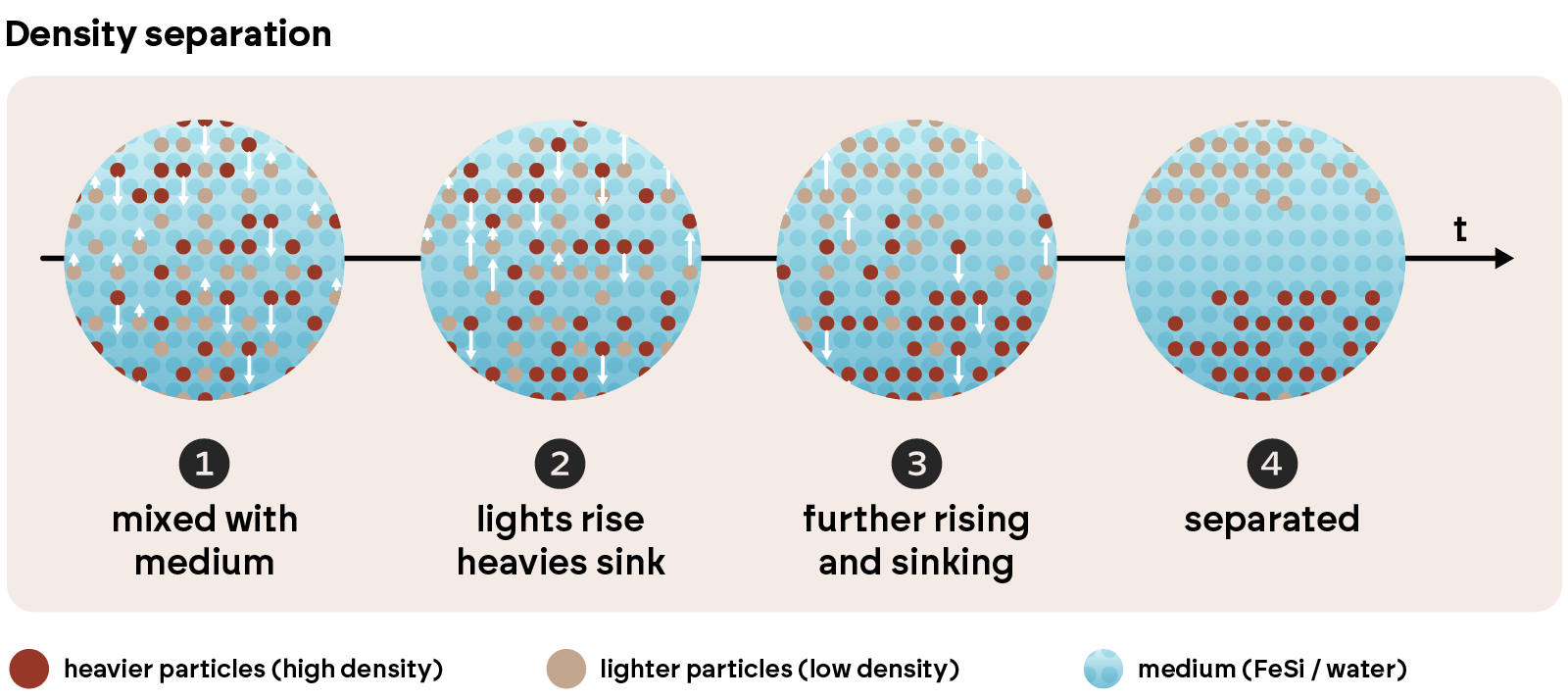
The principle behind DMS is straightforward: particles are introduced into a liquid with a carefully controlled density. Particles lighter than that liquid float, while heavier particles sink. This allows valuable minerals to be separated from waste early in the process, reducing the amount of material that must be treated downstream.
In a typical DMS plant, crushed ore is mixed with a dense slurry known as the dense medium. This medium is usually created by suspending ferrosilicon (FeSi) in water. The slurry is then fed into a separation cyclone, where centrifugal forces accelerate the separation process.
Inside the cyclone
- Heavier particles move outward and exit as sink product
- Lighter particles move inward and exit as float product
After separation, the dense medium is recovered using drain and rinse screens and magnetic separators, allowing the ferrosilicon to be recycled back into the process. This closed-loop medium circuit is a defining characteristic of DMS plants.
Processing Flowsheet
Where DMS fits in a processing flowsheet
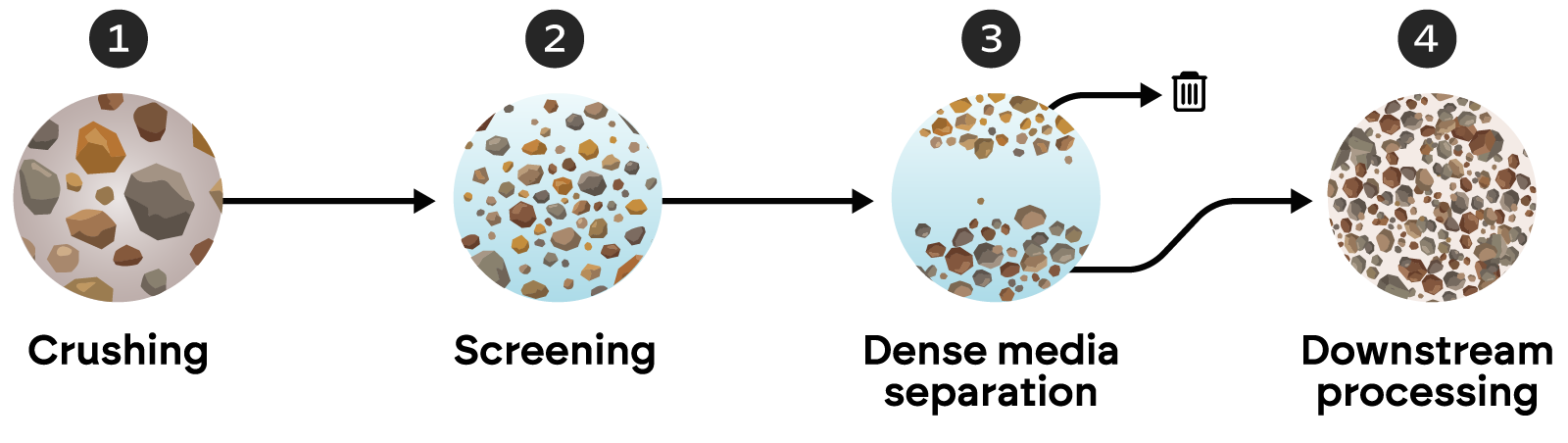
DMS is typically used as a pre-concentration step. Instead of processing all mined material through grinding and flotation, DMS allows operators to reject low-density waste early — reducing the load on downstream processing equipment and increasing overall plant efficiency.
01
Crushing
02
Screening
03
Dense Media Separation
Waste rejected here
04
Downstream processing
Grinding, flotation, gravity recovery
By removing waste early, DMS can significantly reduce energy consumption and operating costs.
Advantages
Why DMS is attractive
Dense Media Separation has several characteristics that make it attractive in many mineral processing applications.
Highly efficient
When clear density differences exist between valuable minerals and waste rock, DMS achieves very high separation efficiency with low misplacement.
Simple and robust
Compared to many other processing technologies, DMS plants are relatively straightforward. Once stable operating conditions are established, they can run reliably for long periods.
Early waste rejection
Removing waste before grinding and flotation improves project economics by increasing effective throughput and reducing downstream processing requirements.
Commodity Applications
Commodities commonly processed with DMS
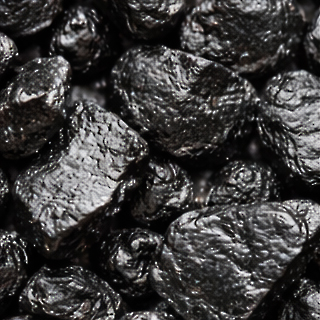
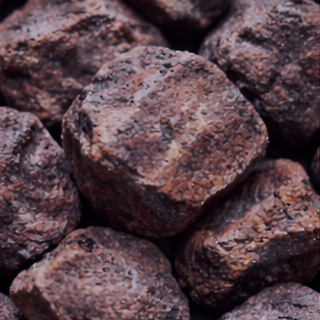
Dense Media Separation is used across a wide range of commodities. The technology is particularly effective where the valuable mineral has a significantly different density from the surrounding host rock.
 Coal
Coal
 Iron Ore
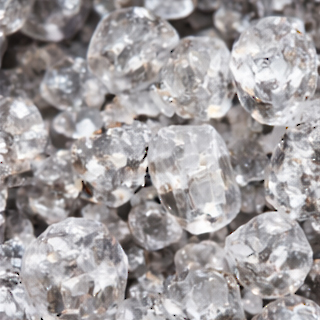 Diamonds
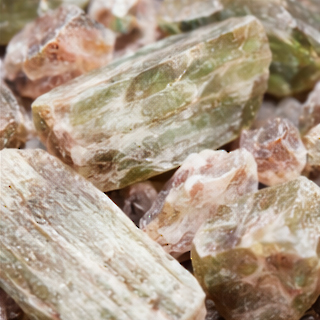 Lithium
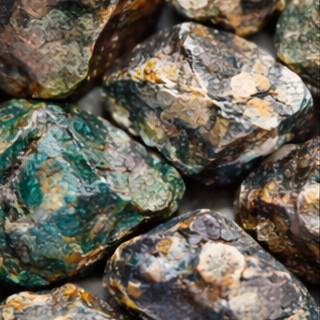 Base Metals
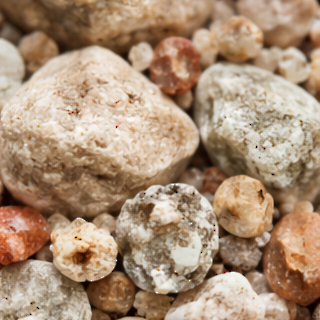 Industrial Minerals
Limitations
When DMS might not be the right solution
Although powerful, DMS is not suitable for every orebody. The method works best when specific conditions are met. And when they are not, other technologies such as flotation or ore sorting may be more appropriate.
DMS is most effective within a defined particle size range, typically between 0.5 mm and 50 mm. Material outside this range may require additional processing steps such as screening or grinding.
The valuable mineral has a clear density difference from the waste
The particle size range is within the effective separation window
The ore does not produce excessive fines during crushing
Related reading
Understanding whether DMS is right for a project also depends on how the dense medium itself is selected and managed.
Choosing the right FeSi →Thinking about Dense Media Separation for your project?
Understanding whether DMS can benefit a project requires evaluating the density characteristics of the ore, the target particle size range, and the overall processing flowsheet.
At Mineral Technologies, DMS plants are designed around the mineral DNA of each deposit, ensuring that separation performance remains stable under real operating conditions.